Sourdough Pie Crust

This flaky sourdough pie crust is a delicious way to use up sourdough discard or active starter. Buttery, tender, and easy to work with, it’s perfect for everything from apple pie to quiche. Whether you make it the same day or choose the long-fermentation option, this crust is packed with flavor and bakes up beautifully every time.
Why this recipe works
This sourdough pie crust combines cold butter and sourdough discard to create a crust that is both flaky and tender. The acidity in the discard helps limit gluten development, while the butter creates steam pockets that form delicate layers as the crust bakes.
Why use sourdough discard in a pie crust?
- Adds a subtle, tangy flavor. Sourdough discard gives pie crust a gentle tang that complements both sweet and savory fillings without overpowering them.
- Creates a flaky, tender crust. The acidity in sourdough discard helps keep the dough tender, while cold butter creates delicious flaky layers.
- Reduces food waste. Using sourdough discard in pie crust is a simple way to make the most of your starter while adding extra flavor to homemade pies.
Key ingredients for a flaky sourdough pie crust
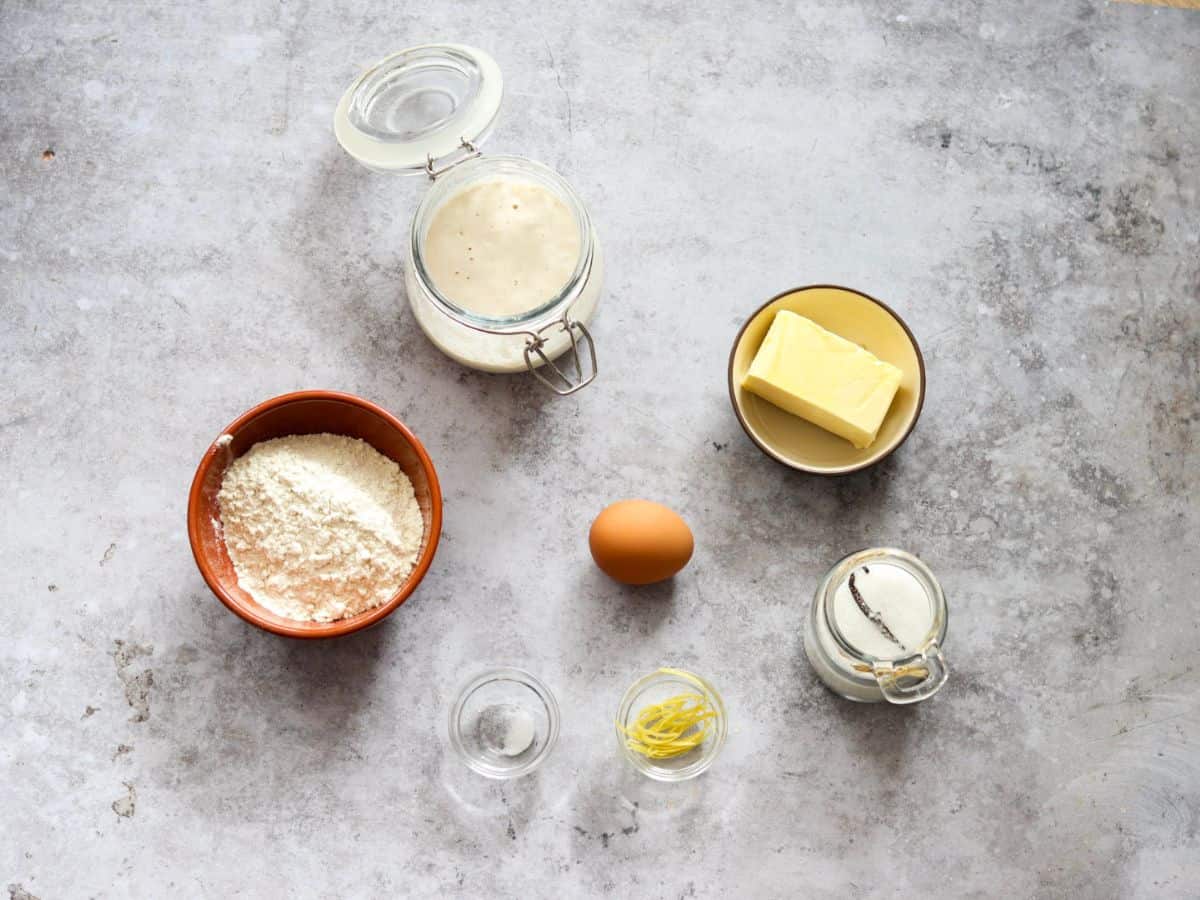
Flour: All-purpose flour gives this sourdough pie crust the perfect balance of tenderness and structure. It creates a crust that is easy to roll out, bakes up flaky, and works well for both sweet and savory pies.
Sourdough discard: Sourdough discard adds a subtle tangy flavor and helps create a tender pie crust. You can use cold discard straight from the refrigerator or discard at room temperature. This recipe is a great way to use up extra sourdough starter instead of throwing it away.
Butter: Cold, unsalted butter is the secret to a flaky sourdough pie crust. As the butter melts in the oven, it creates steam pockets that form delicious flaky layers. For the richest flavor, use a high-quality European-style butter with a higher butterfat content.
Sugar: A small amount of sugar enhances the dough’s flavor and helps the crust develop a beautiful golden-brown color. It won’t make the crust overly sweet, so this recipe works for everything from apple pie to quiche.
How to make sourdough pie crust
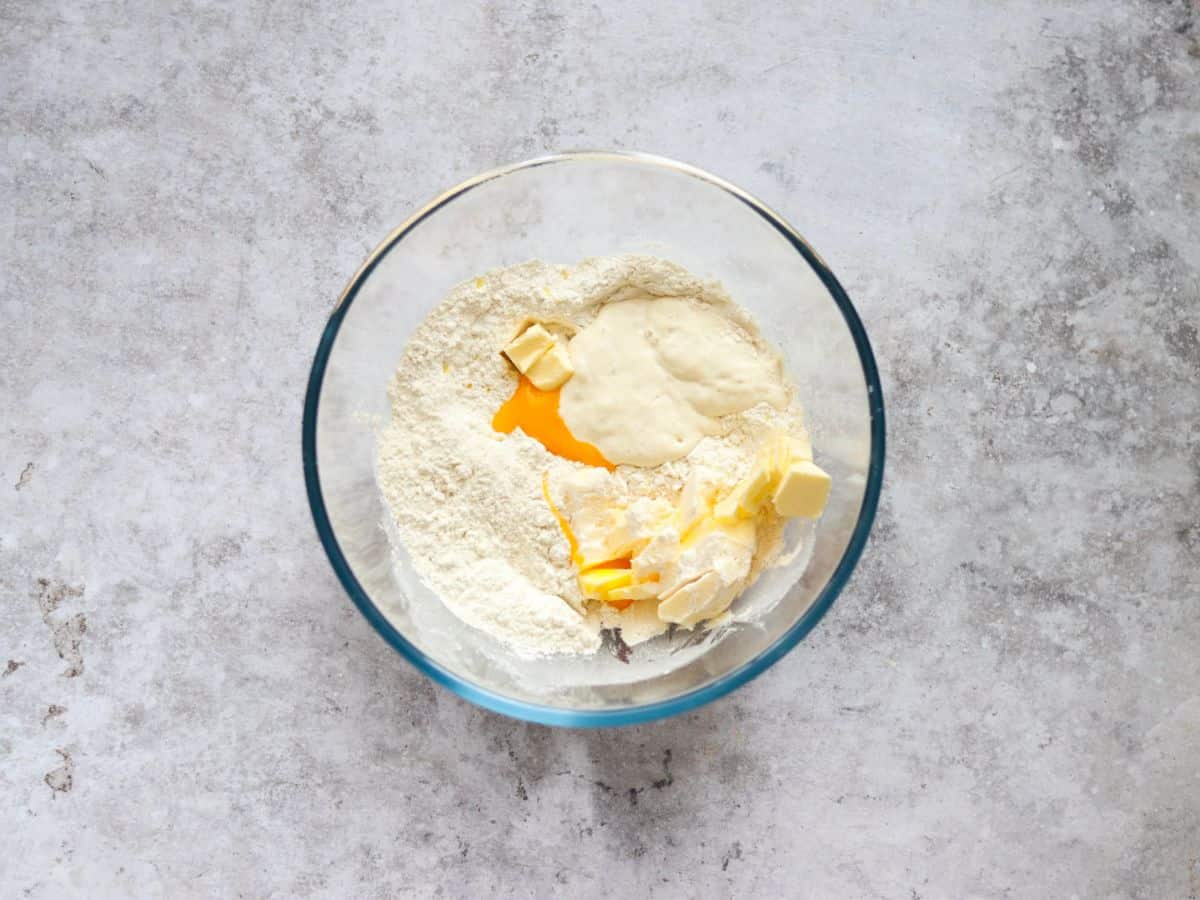
When you make a sourdough pie crust, it is important to keep it as cool as possible. This is what gives it its flaky texture. To keep it cool, I like to cool my hands with cold water or use a pastry cutter.
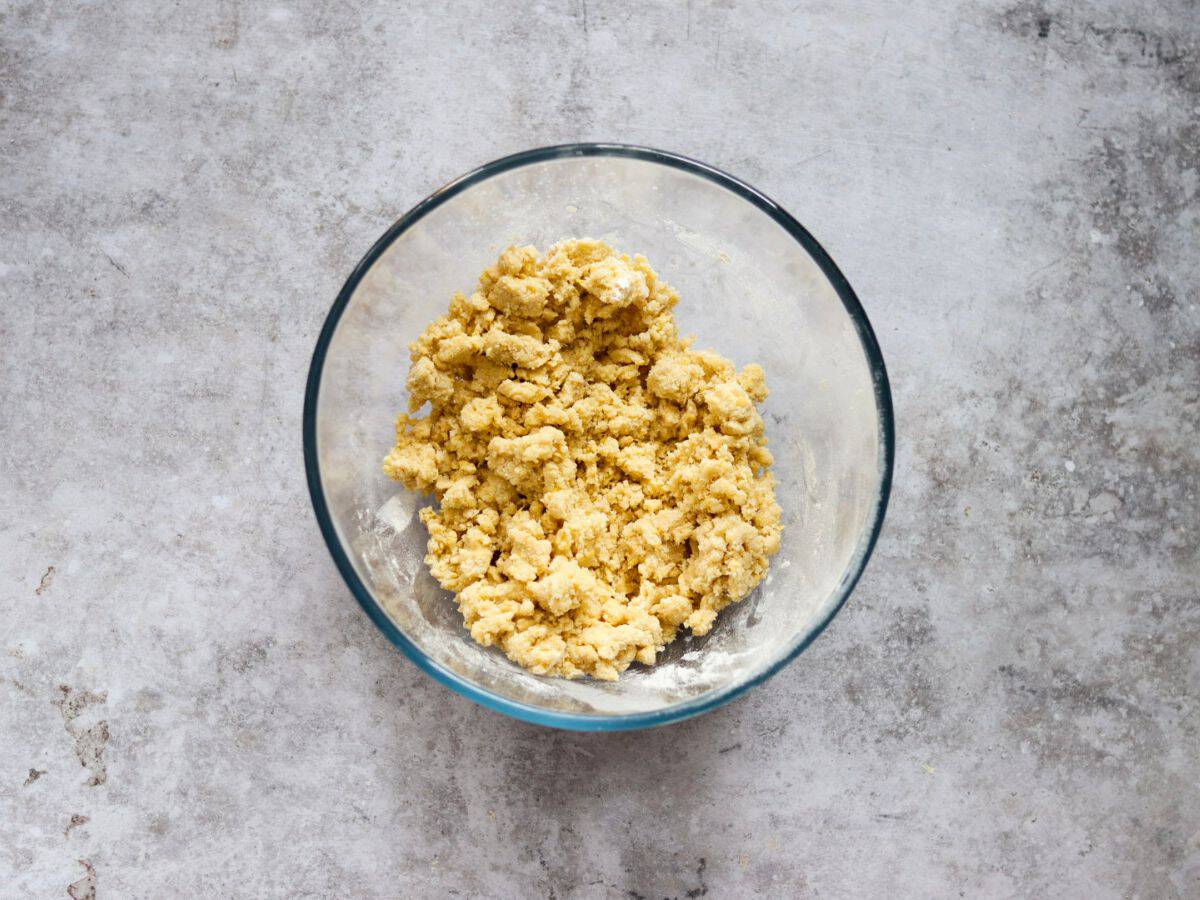
Once everything is mixed in and you’ve kneaded the dough to rough crumbles that look like this, it is time to form a ball, wrap it in plastic wrap, and let it rest in the fridge for at least 10 minutes. This firms up the dough, lets the gluten relax, and makes the dough easier to work with.
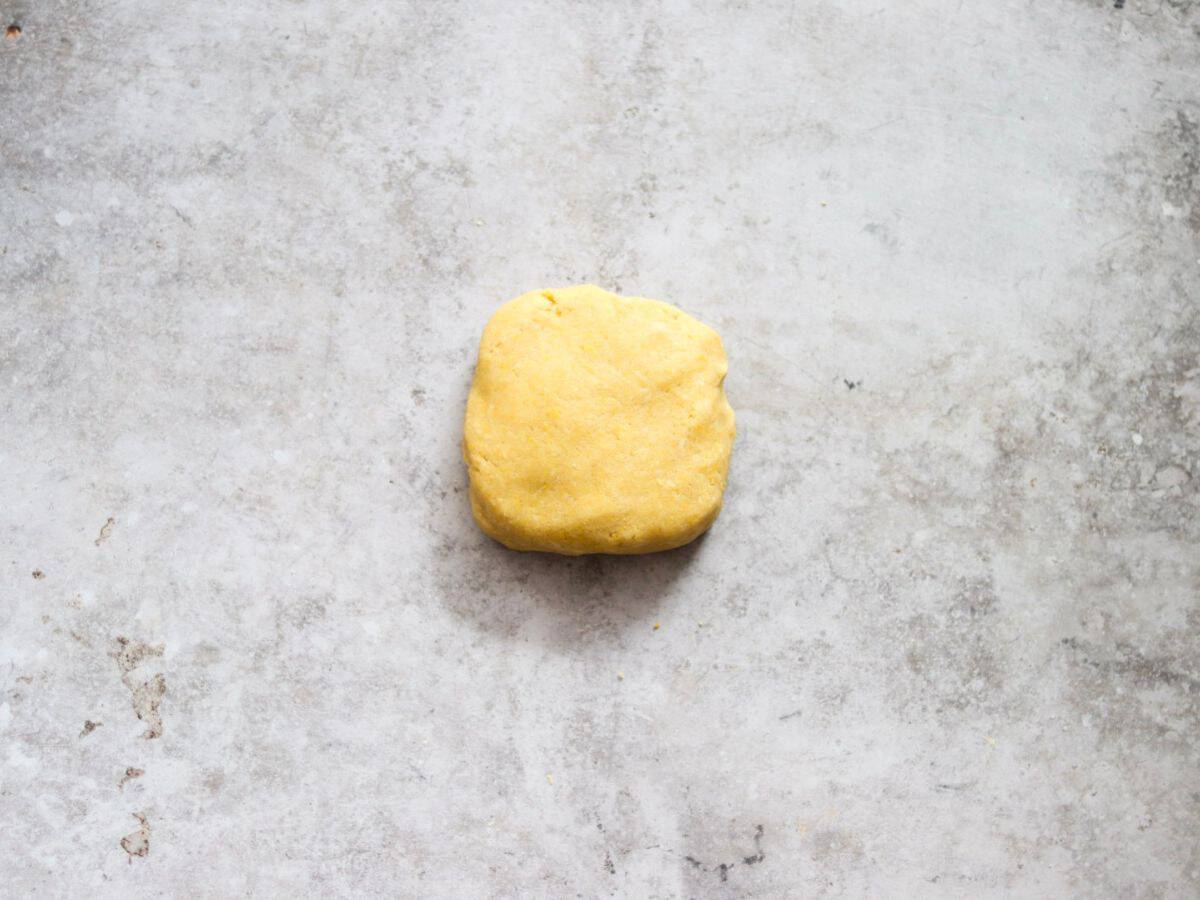
After chilling the dough, you can place it in the freezer for later or roll it out to bake your favorite pie. If your pie has a wet filling, i reccomend blind baking the pie crust before adding the filling to prevent a soggy bottom.
Long Fermentation Option
For a deeper sourdough flavor, you can ferment the pie dough in the refrigerator before using it. After mixing the dough and shaping it into a disk, wrap it tightly and refrigerate for 12 to 48 hours. During this time, the sourdough starter slowly develops flavor and helps create an even more tender crust.
When you’re ready to bake, remove the dough from the refrigerator and let it sit at room temperature for 10 to 15 minutes if it feels too firm to roll out. While long fermentation won’t make the crust rise like a loaf of bread, it does add complexity and depth of flavor that many sourdough bakers enjoy. A 24-hour fermentation is usually the sweet spot, providing noticeable flavor without making the dough overly sour.
Sourdough discard vs active starter for pie crust
Both sourdough discard and active starter work well in pie crust, but they produce slightly different results.
For most home bakers, discard is the better option. It delivers the same buttery, flaky crust while making good use of leftover sourdough starter that might otherwise be thrown away.
Sourdough discard is the most popular choice because it adds flavor, reduces food waste, and creates a tender, flaky pie crust without requiring extra planning. An active sourdough starter can also be used and may create a slightly lighter texture. It has a milder flavor than discard and works especially well if you’re already feeding your starter for other baking projects.
My tips for the flakiest sourdough pie crust
- Keep your butter cold. Cold butter is the key to creating flaky layers. If the butter starts to soften while you’re working with the dough, place it in the refrigerator for a few minutes before continuing.
- Don’t overwork the dough. Mix the ingredients just until the dough comes together. Overmixing develops gluten, which can make the crust tough instead of tender.
- Chill the dough before rolling. A short rest in the refrigerator allows the flour to hydrate and the butter to firm up, making the dough easier to handle and helping prevent shrinkage.
- Use enough flour when rolling. Lightly flour your work surface and rolling pin to prevent sticking, but avoid adding too much extra flour, which can dry out the dough.
- bake until golden brown. A properly baked pie crust should be deep golden brown, not pale. This ensures the crust is fully cooked and develops the best flavor and texture.
How To Avoid A Soggy Bottom
A flaky sourdough pie crust (or regular pie crust) starts with keeping the dough cold from start to finish. Cold butter creates pockets of steam as the pie bakes, which helps form those delicious flaky layers while preventing the crust from becoming dense or greasy.
If you’re making a pie with a particularly wet filling, such as pumpkin pie or a custard pie, blind baking the crust before adding the filling can make a big difference. Baking the pie on the lower oven rack also helps the bottom crust cook through properly and develop a crisp, golden texture. With a few simple precautions, you’ll end up with a sourdough pie crust that’s beautifully flaky on top and perfectly crisp on the bottom.
What to make with sourdough pie crust
This flaky sourdough pie crust can be used for a wide variety of sweet and savory recipes. Its buttery flavor and tender texture make it an excellent choice for fruit pies, galettes, hand pies, and tarts. If you’re looking for a sweet filling, our Mini Apple Pies are a great place to start, combining a classic apple filling with a crisp, flaky crust.
For savory baking, this crust works just as well in quiches and pot pies. The subtle tang from the sourdough pairs especially well with rich, creamy fillings, such as those in our sourdough chicken pot pie. Once you have a batch of pie dough in the refrigerator, you’ll find plenty of ways to put it to good use throughout the year.
Frequently asked questions
Not necessarily. Sourdough pie crust has a subtle tang that adds depth of flavor, but it shouldn’t taste strongly sour. The flavor will depend on the type of starter you use, how long the discard has been stored, and whether you choose to ferment the dough before baking.
Yes. Pie dough can be made up to 3 days in advance and stored in the refrigerator. In fact, many bakers find that chilling the dough overnight improves both the flavor and texture. Let the dough sit at room temperature for a few minutes before rolling if it feels too firm.
Absolutely. Wrap the dough tightly in plastic wrap and place it in a freezer-safe bag or container. It can be frozen for up to 3 months. Thaw it overnight in the refrigerator before using.
Yes. This crust works just as well for savory recipes as it does for sweet ones. Try it for quiche, chicken pot pie, hand pies, or galettes. The slight tang of sourdough pairs particularly well with rich, creamy fillings.
Storage and Freezing
Pie dough is a great make-ahead recipe. Wrap the dough tightly in plastic wrap and refrigerate for up to 3 days. Chilling the dough not only makes it easier to handle but also gives the flour time to fully hydrate, which can improve the texture of the finished crust.
For longer storage, freeze the dough for up to 3 months. Wrap it well in plastic wrap and place it in a freezer-safe bag or airtight container to prevent freezer burn. When you’re ready to use it, transfer the dough to the refrigerator and let it thaw overnight. Once thawed, allow it to sit at room temperature for 10 to 15 minutes before rolling if it feels too firm.
Troubleshooting
Pie dough doesn’t always behave exactly as expected, especially when factors like temperature, humidity, and starter hydration come into play. If you run into any issues while making this recipe, these simple solutions will help you achieve a flaky, tender crust every time.
My pie dough is too sticky
If the dough feels too sticky to handle, it may be because your sourdough discard is more hydrated than average or the butter has become too warm. Chill the dough for 20-30 minutes before rolling it out. If needed, lightly dust your work surface with flour.
The pie crust is tough instead of flaky
A tough pie crust is usually caused by overworking the dough. Mix just until the ingredients come together and avoid excessive kneading. Keeping the butter cold throughout the process will also help create flaky layers.
My pie crust shrank while baking
Pie crust often shrinks when it hasn’t had enough time to rest. Chilling the dough before rolling and again before baking helps the gluten relax and reduces shrinkage.
My crust is pale and underbaked
For the best flavor and texture, bake the crust until it is a deep golden brown. A pale crust may still be doughy in the center, especially on the bottom.
Our favorite recipes to make with sourdough discard pie crust

Sourdough Pie Crust
Ingredients
- 1 2/3 cup all-purpose flour
- 1/2 cup + 1 tablespoon butter unsalted
- 1/4 cup granulated sugar
- 3 tablespoons sourdough discard
- 1 egg yolk
- 1 tablespoon lemon zest
- 1/4 teaspoon salt
Instructions
- Finely cube the cold butter. Add the flour, butter, sugar, sourdough discard, egg yolk, salt, and lemon zest (if using) to a mixing bowl.
- Rub the butter into the dry ingredients and quickly bring everything together into a dough. Avoid overworking the dough, as this can make the pastry tough instead of tender.
- Shape the dough into a disk, wrap it, and chill for 10 minutes.
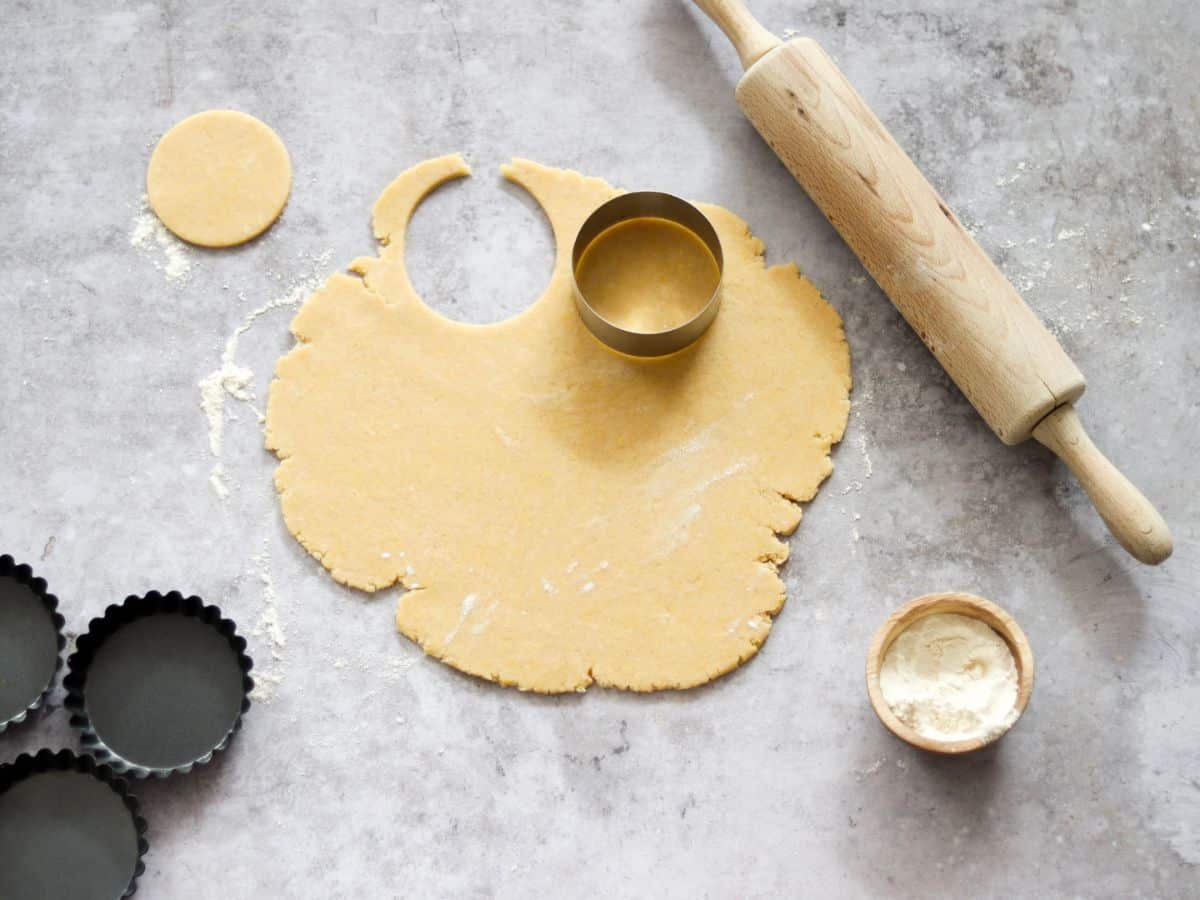
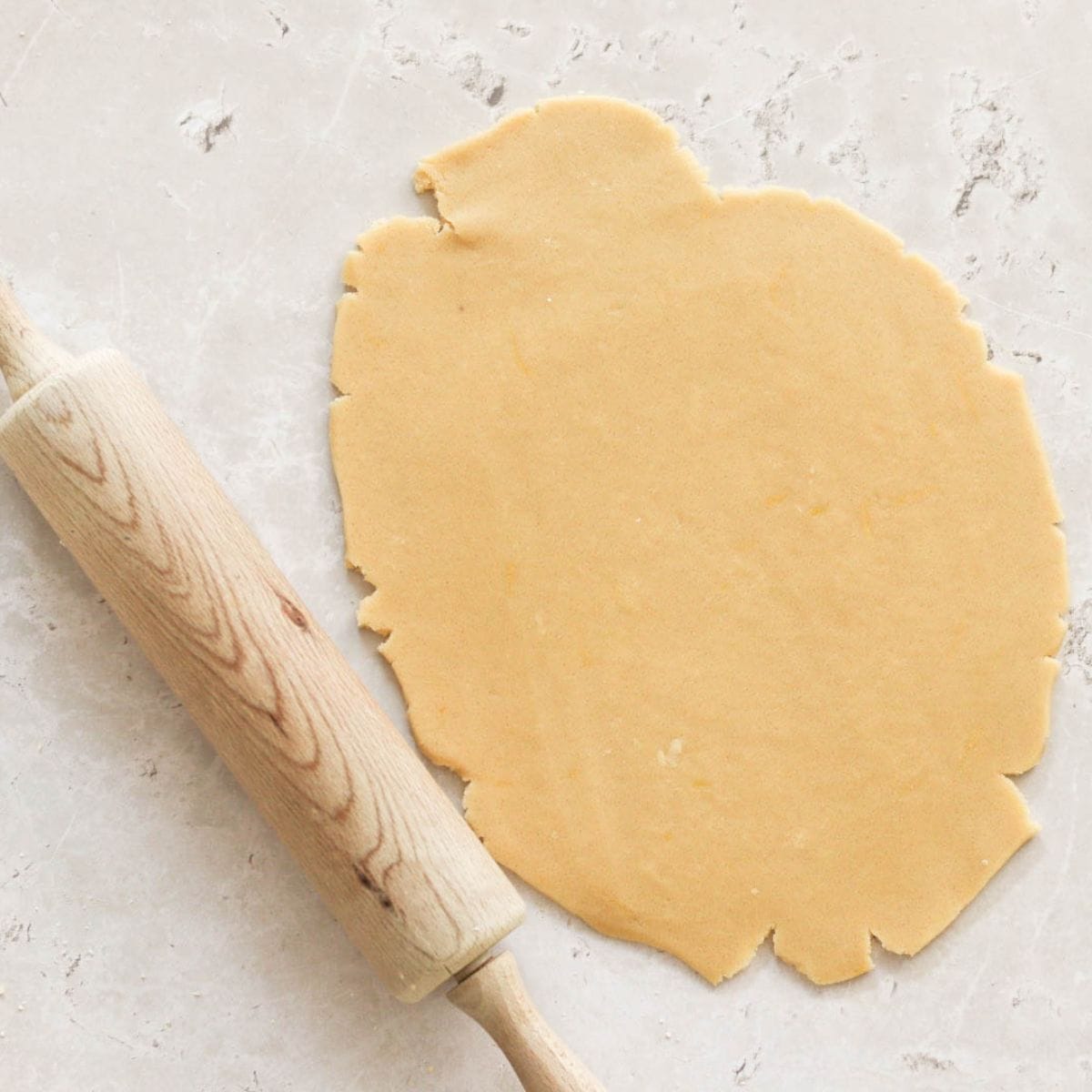
- On a lightly floured surface, roll the dough out to about ¼ inch (½ cm) thick.
- Line your tart pan or tartlet molds with the dough, pressing it gently into the corners. Trim any excess pastry.
To Blind Bake
- Prick the base of the pastry with a fork.
- Line the pastry with parchment paper and fill with pie weights or dried beans.
- Bake at 350°F (180°C) for 12 minutes.
- Carefully remove the parchment and weights, then bake for another 5 minutes until the crust looks lightly set.
- Let the pastry cool completely before filling.
Notes
- Keep it cold: Cold butter is the secret to a flaky pie crust. If the dough starts to warm up, chill it before continuing.
- Use discard or active starter: Both work well in this recipe. Discard adds a slightly tangier flavor, while an active starter produces a milder crust.
- Try a long fermentation: For a deeper sourdough flavor, refrigerate the dough for up to 24 hours before rolling it out.
- Works for sweet and savory pies: This versatile pie crust is just as delicious in apple pie as it is in quiche or chicken pot pie.
- Blind bake for wet fillings: If you’re making a pie with a juicy or custard-based filling, blind baking helps keep the bottom crust crisp.
- Storage: Store the wrapped pie dough in the refrigerator for up to 3 days or freeze it for up to 3 months. Thaw overnight in the refrigerator before using.